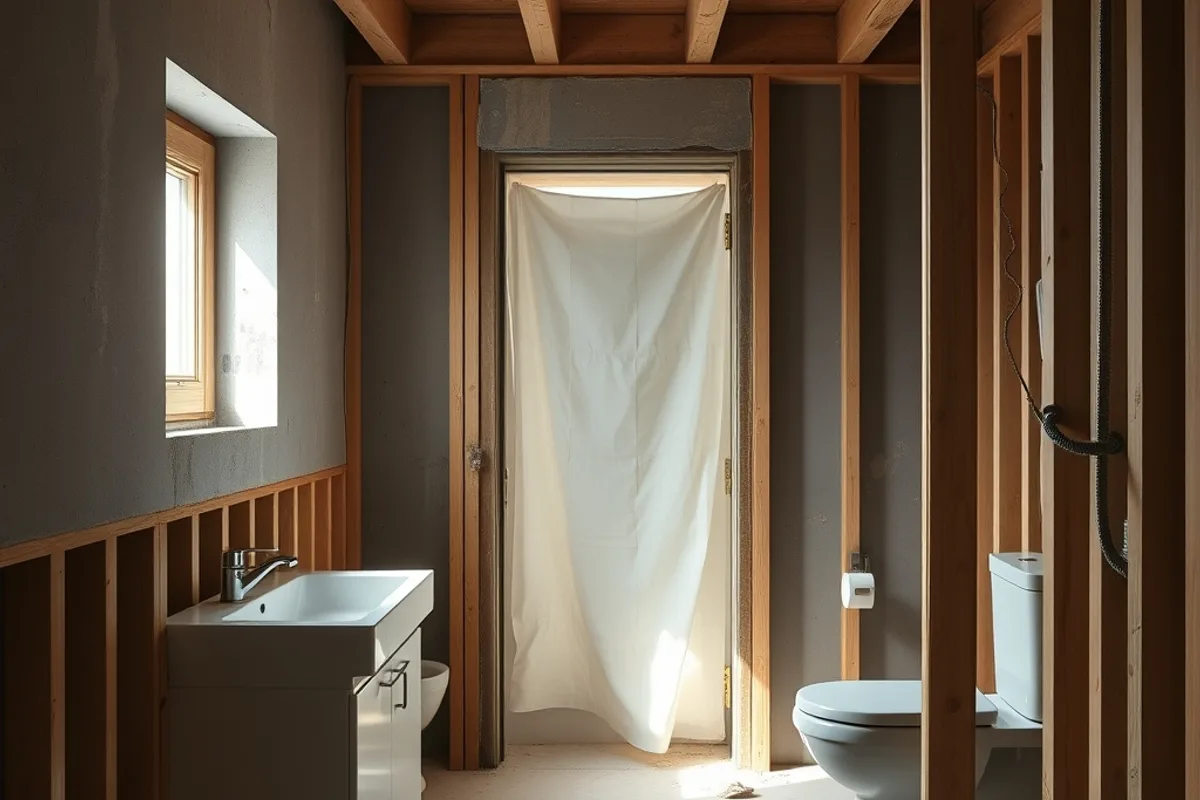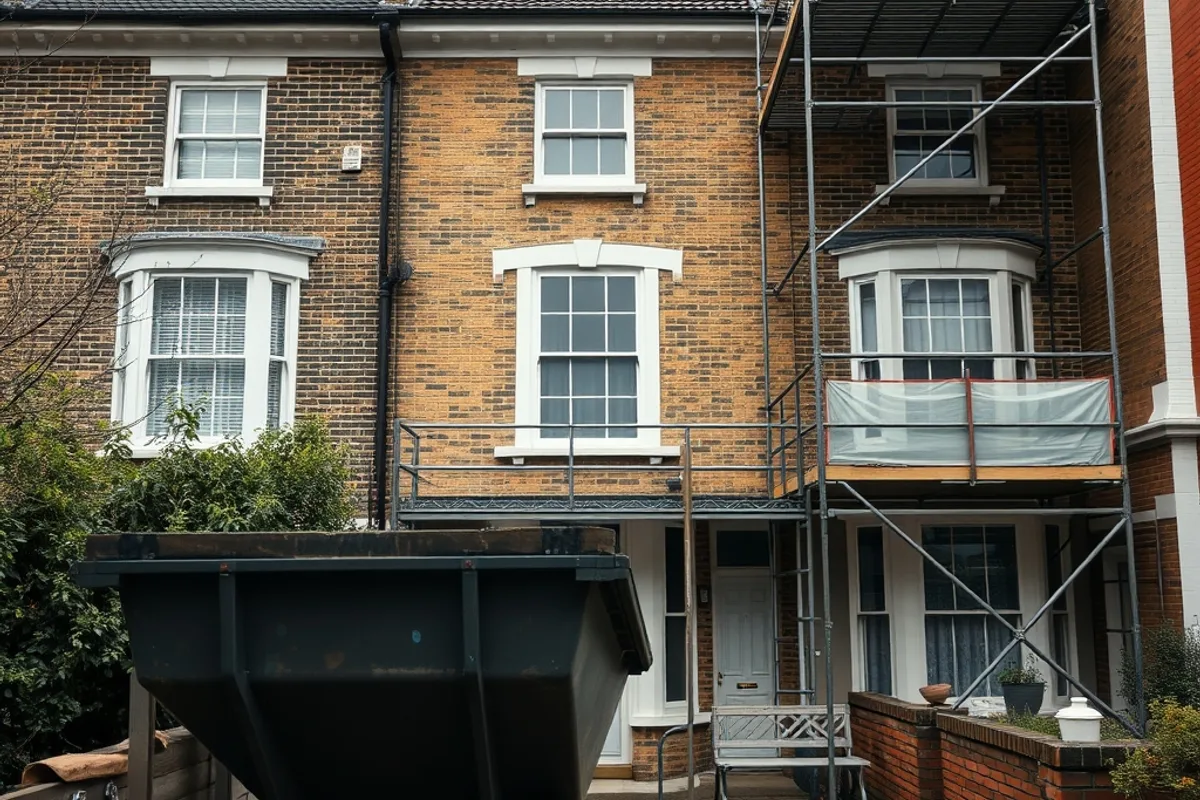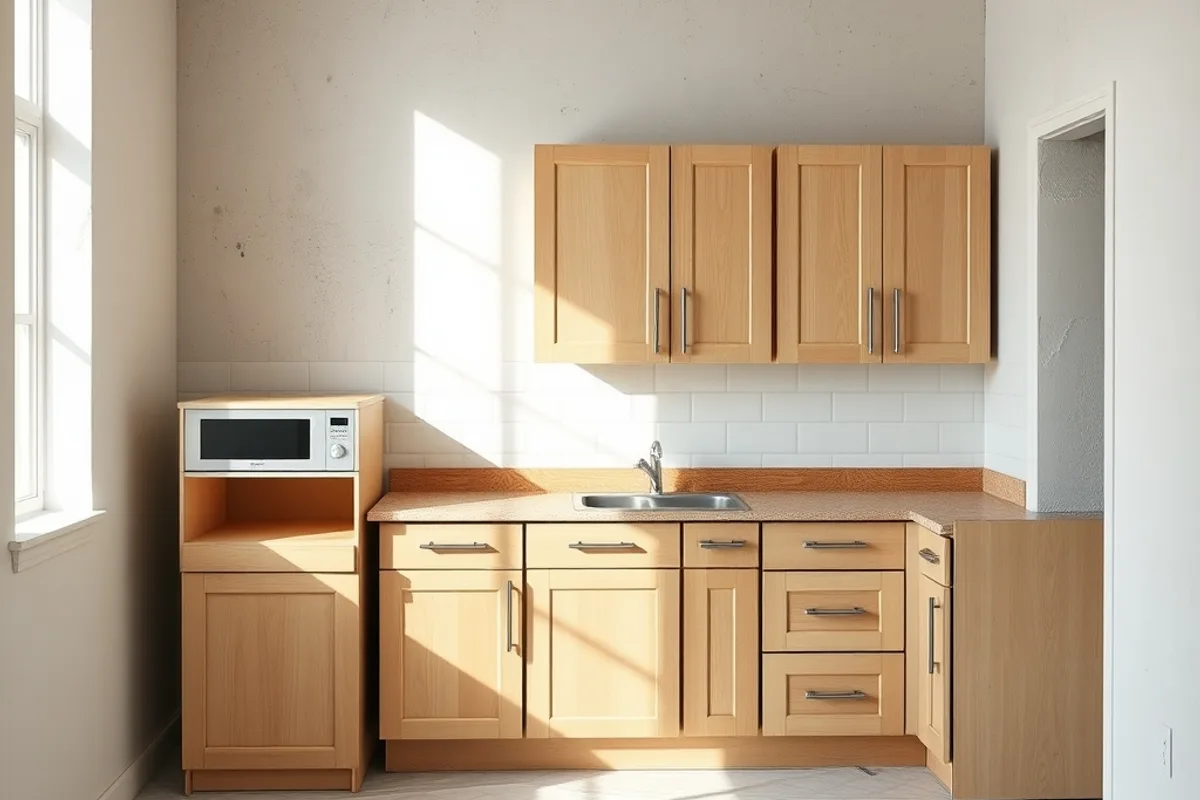
Most kitchen budgets fail in the same way. The cabinets and worktops are chosen first, because they are the parts you can see and touch. The remaining money is then spread across plumbing, electrical work, labour and installation, and it runs out before the room is finished. The result is a beautiful carcass with a badly planned lighting circuit and a floor that was value-engineered at the last minute.
A fixed budget is not a restriction on ambition. It is a tool for deciding where ambition belongs. Here is how the money actually divides, and how to protect the parts that matter.
The short version
- Expect roughly 30 percent of the budget for cabinets, 20 percent for worktops and appliances, and the rest for labour, services and finishing.
- Spend on the layout, the worktop and the task lighting. Save on cabinet fronts, handles and decorative extras.
- Keep the sink and cooker where they are unless the layout is genuinely broken.
- Price the whole room, including demolition, waste removal, plastering, flooring and painting.
- Hold at least 10 percent back for the surprises behind the old cabinets.
The real cost breakdown
A mid-range kitchen remodel typically divides into five broad buckets. Cabinetry and internal fittings take the largest share, usually 25 to 35 percent. Worktops, splashbacks and appliances take another 20 to 30 percent. Labour for installation, plumbing, electrical and building work accounts for 25 to 35 percent. Flooring, lighting and decoration add 5 to 10 percent. The remainder is contingency, and it should never be zero.
These percentages shift with the specification. A large kitchen with many drawers and bespoke joinery pushes cabinetry higher. A room that needs new drainage, a relocated gas supply or a structural opening pushes labour and services much higher. The only meaningful way to budget is to price the actual room, not a headline rate per square metre.
What you are really paying for
Cabinets are priced by carcass, door style, internal fit-out and installation. A simple painted shaker door on a standard carcass can cost half as much as a handleless lacquered front with integrated organisers. The storage performance is often similar. If the budget is tight, choose a simpler door and spend the difference on drawers, which are the fittings that make a kitchen comfortable every day.
Worktops are priced by material, thickness, edge profile and cut-outs. A compact laminate or quartz surface can deliver a durable, consistent look for less than natural stone, and it needs less maintenance. The savings are real, but do not choose a thin worktop on a large island; the proportions will look mean regardless of the material.
Where to spend
Spend on the layout. A kitchen that works is worth more than any finish. Good layout means a clear triangle between sink, cooker and fridge, enough landing space beside each, and a route through the room that does not cross the cooking zone. If the existing layout is poor, fixing it is the best money you will spend.
Spend on the worktop and the tap. These are the surfaces and fittings you touch hundreds of times a week. A durable worktop and a reliable tap with good water pressure improve daily life more than a feature splashback ever will.
Spend on task lighting. Under-cabinet lighting, a well-placed pendant over the table and dimmable general light transform how the room feels at night. It is also one of the cheapest upgrades per unit of improvement, provided it is planned before the ceiling is closed.
Spend on ventilation. A properly sized extractor ducted to the outside protects the walls, the cabinets and your lungs. Recirculating filters are better than nothing, but ducted extraction is the standard worth paying for.
Where to save
Save on cabinet fronts and handles. A flat-painted door in a good colour reads as expensive even on a modest carcass. Handleless profiles and integrated appliances are attractive, but they add cost and complexity. Choose them because you want them, not because the brochure implies they are standard.
Save on decorative extras: glass cabinet inserts, open shelving in dusty corners, wine racks and pull-out spice drawers that hold six jars. Each is a small cost that adds up quickly and often reduces usable storage. A simple, well-organised drawer is more useful.
Save on appliance branding where performance is equivalent. The mid-range model from a reputable manufacturer usually shares the core technology of the premium line. Read the specifications for noise, energy and repair access rather than the badge on the door.
A kitchen budget is not a list of products. It is a plan for how the room will be built, used and maintained for the next fifteen years.
Keep the services where they are
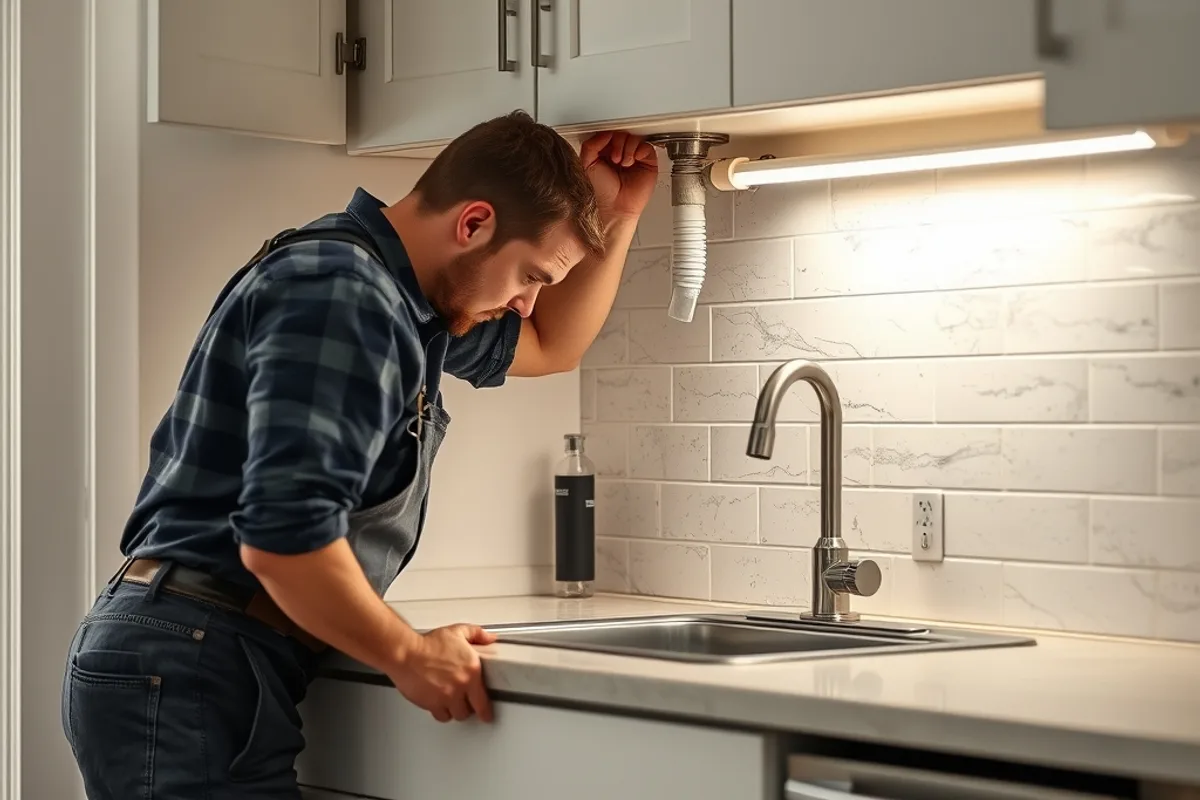
Moving a sink is rarely just a sink. It means new drainage runs, water supply, possibly a soil pipe, and the floor and wall finishes that must be opened to install them. Moving a cooker may mean a new electrical circuit or a gas connection. Each move adds cost, time and inspection requirements.
If the layout is fundamentally sound, keep the wet zone and the cooking zone in place and spend the savings on better storage and finishes. If the layout is genuinely broken, accept that the services move is part of the project and budget for it explicitly rather than discovering it during demolition.
Do not forget the unglamorous line items
Demolition, skip hire, protecting the route through the house, temporary cooking arrangements and waste removal are real costs. So are plaster repairs, new skirting, door linings and painting. These items are easy to leave out because they are not in the showroom, and they are the reason budgets overrun by 20 percent.
Ask every trade to quote for making good after their work. The electrician will chase walls; the plumber will lift floorboards; the fitter will need the room cleared. If nobody owns the making good, you will pay for it twice.
Run the budget like a project
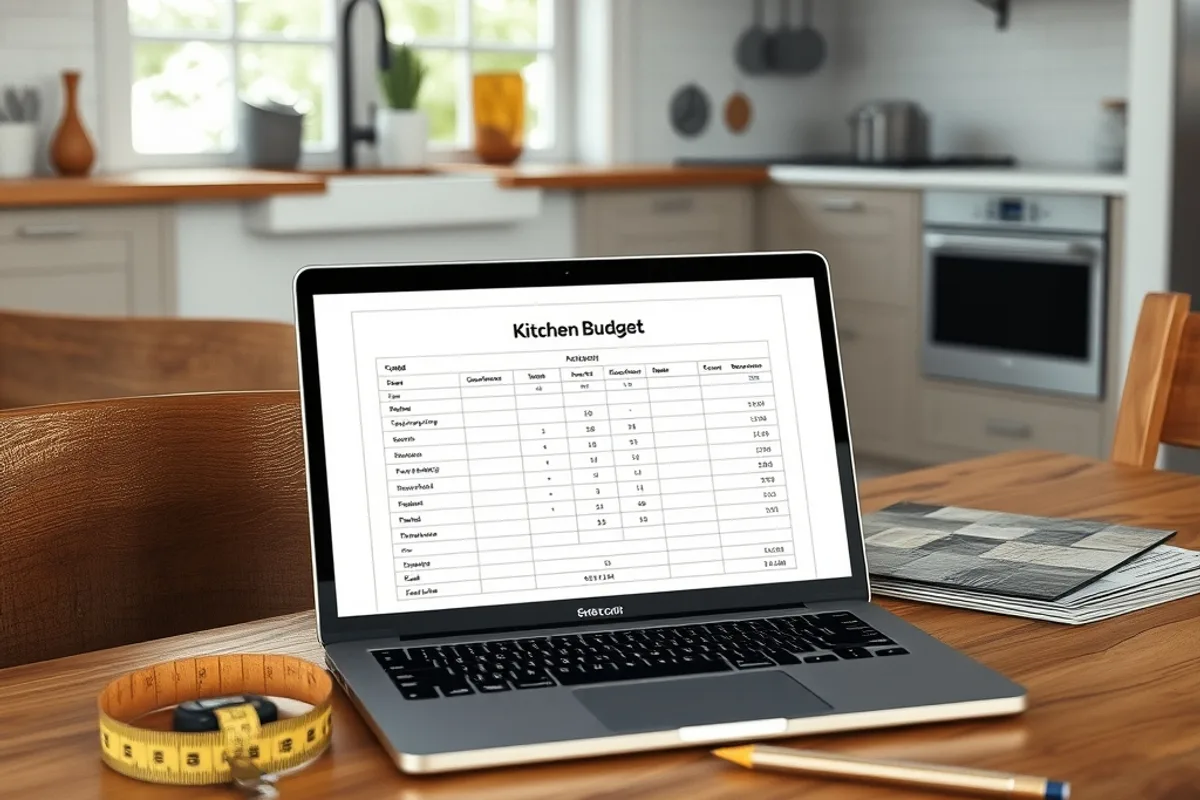
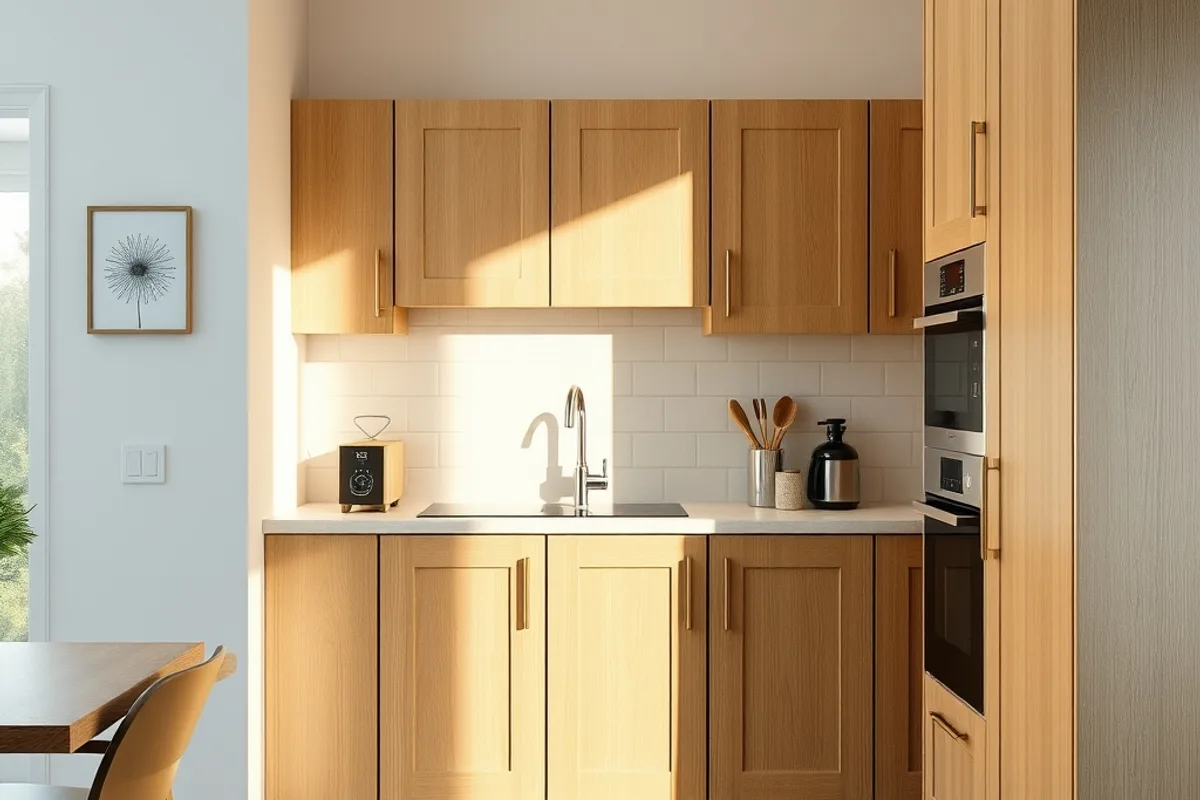
Create a single spreadsheet with every item, quote, order date and payment. Add a column for the actual cost as invoices arrive. Review it weekly. The moment a line exceeds its allowance, decide where the money comes from before you commit to the next purchase.
Order long-lead items early: cabinetry, worktops, specialised appliances and tiles. A delayed worktop can hold up the plumber, the electrician and the final payment. Good sequencing is as valuable as a good discount.
A fixed budget is a design brief
The most useful thing about a fixed budget is that it forces choices. You cannot have every upgrade, so you choose the ones that change daily life: a layout that flows, a worktop that wears well, light where you work, storage that closes. The rest is decoration, and decoration can wait.
A kitchen remodeled to a clear brief will feel more expensive than it was. A kitchen assembled from showroom impulses will feel like a compromise no matter what it cost.

Final check before you sign
Confirm what is included in each quote: delivery, installation, waste removal, making good, connection of appliances and certification. Check the payment schedule against progress, not against dates. Keep a retention until snagging is complete. Then cook a proper meal in the finished room and see what you forgot. It is usually the lighting, the bin or the place to put a hot pan. Fix those small things early, and the kitchen will work for years.