A room can have good furniture, good light and a sensible layout and still feel unfinished. What is missing is usually layer: the textiles, rugs, lamps and objects that soften the hard edges and make the space feel inhabited. Layering is the difference between a showroom and a home.
But layering has a failure mode. Add too many textures, colours and objects and the room becomes busy, dusty and hard to clean. The skill is not accumulation. It is choosing a few layers that do distinct jobs and then stopping.
The short version
- Start with one large rug that holds the seating or bed group together.
- Use three textures, not three patterns, to create depth.
- Keep the palette narrow and let texture carry the variation.
- Layer light at three heights: ceiling, table and floor.
- Edit after every addition. If an object does not add a function or a texture, remove it.
Begin with the rug
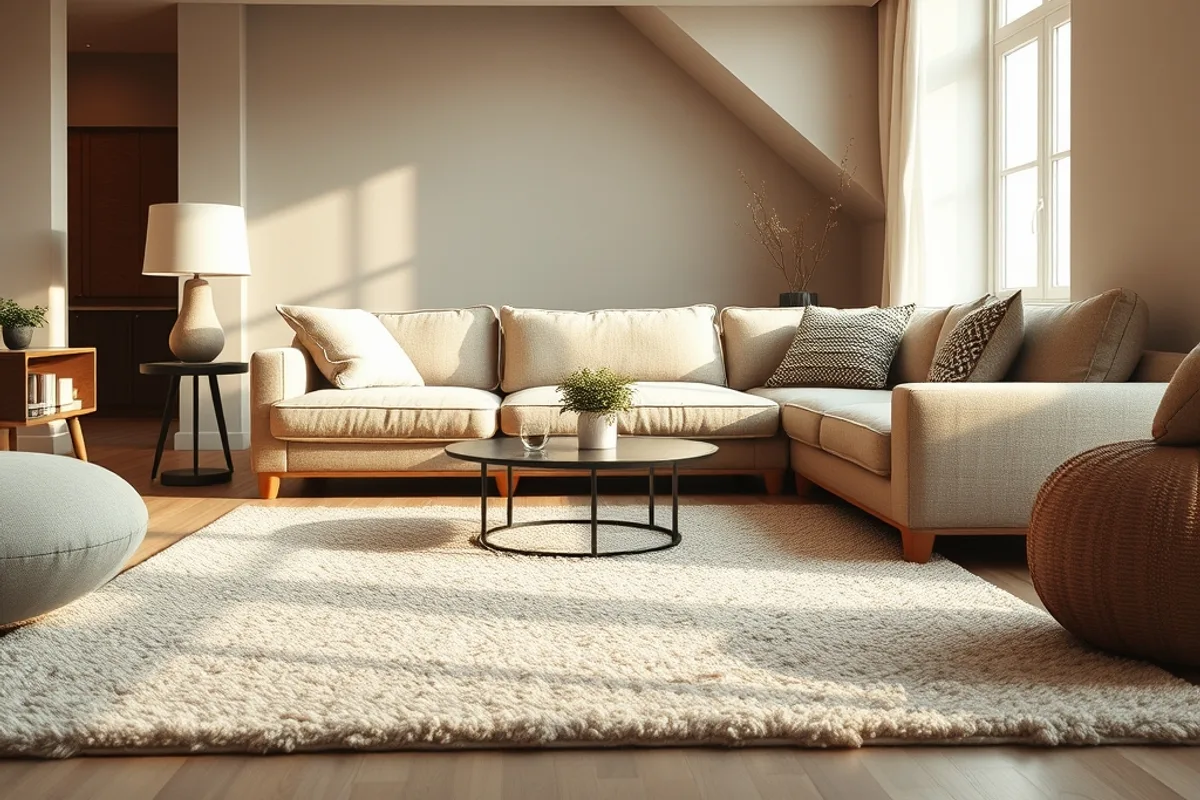
The rug is the foundation of a layered room. It defines the zone, absorbs sound and gives the furniture a surface to sit on. A rug that is too small is the most common decoration error: it makes the room look like a collection of pieces rather than a group.
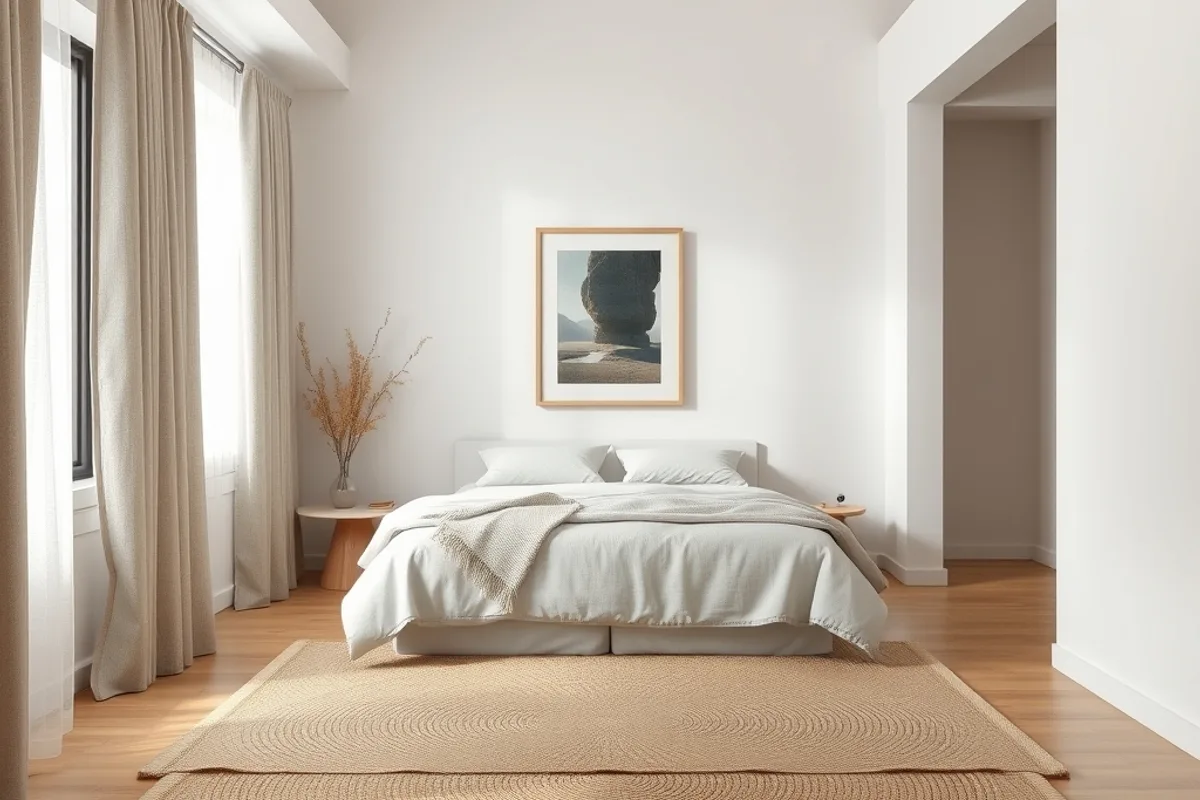
In a living room, the rug should be large enough for the front legs of every seat to sit on it, or for all legs if the room allows. In a bedroom, it should extend beyond the sides of the bed so your feet land on it. In a dining room, it should be large enough to pull the chairs out without catching.
Choose a rug in a neutral or tonal colour that supports the room's palette. A strong pattern can be wonderful, but it becomes the focal point and limits what else can be added. If you want pattern, keep the rest of the room quiet.

Texture before pattern
Depth comes from texture: the difference between linen, wool, velvet, rattan, ceramic, glass and wood. A room with three textures in the same colour feels richer than a room with three patterns in competing colours. Texture also ages better; it does not date in the way a print does.
Build texture where you touch and where light falls. A linen sofa, a wool rug, a wooden table and a ceramic lamp base give the eye something to read. Add a woven basket, a stone tray or a glass vase for contrast. Keep the number of finishes manageable; too many metals and weaves can feel noisy.
Pattern is best used as a single accent: a cushion, a runner, a piece of art. One pattern repeated in two places reads as intentional. Five different patterns read as accident.
Cushions and throws
Cushions are the easiest layer to overdo. A useful rule is two or three per seat, in a mix of sizes: a larger square at the back, a smaller one in front, perhaps a lumbar shape. Fill them properly. A limp cushion looks tired no matter how good the fabric.
Throws should look as if they might actually be used. Fold one over the arm of a sofa or the foot of a bed, in a texture that contrasts with the upholstery. Avoid arranging them into sculptural knots; the room is for living, not for a photograph.
Layering is not about adding more. It is about adding the right things in the right order, then having the confidence to stop.
Light in three layers
Decoration is largely a lighting problem. A room lit only from the ceiling feels flat and exposes every surface evenly, which is rarely flattering. Layer the light: a ceiling fixture for general illumination, table or wall lights for atmosphere, and a floor lamp for a pool of light where you sit.
Use warm bulbs, around 2700 K, and put them on dimmers where possible. A room at 30 percent brightness in the evening feels entirely different from the same room at full output. Light the walls and corners, not just the centre of the room.
Lamp shades matter. A shade that is too small looks mean; too large and it overwhelms. Choose a shade that is roughly two-thirds the height of the base and wide enough to soften the bulb. Fabric shades give a warmer, softer light than metal.
Objects with a job
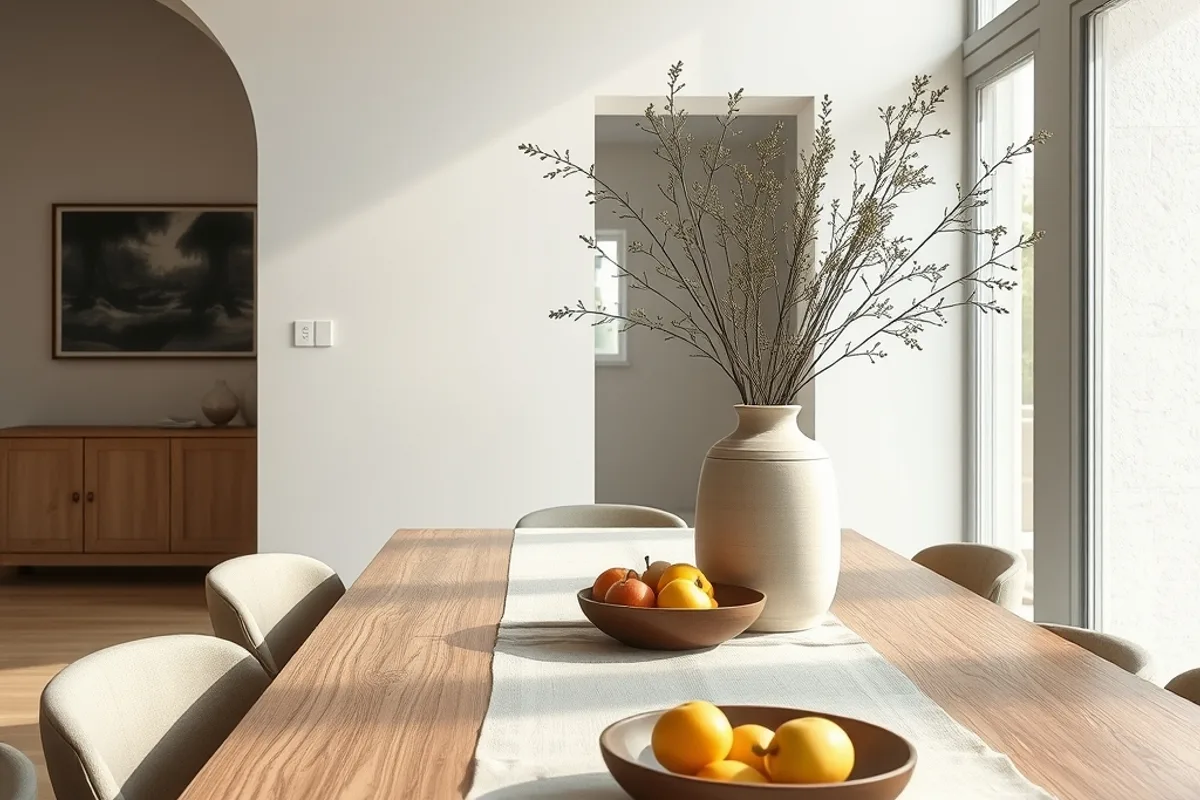
Decorative objects work best when they have a function or a story. A stack of books you actually read, a bowl that holds fruit, a tray for keys, a vase for branches from the garden. These objects earn their place and prevent the room from feeling like a display of purchases.
Group objects in odd numbers and vary the height. A tall vase, a low bowl and a small dish create a composition. Three identical candlesticks in a row create a shelf display. Both can work, but the first feels more collected.
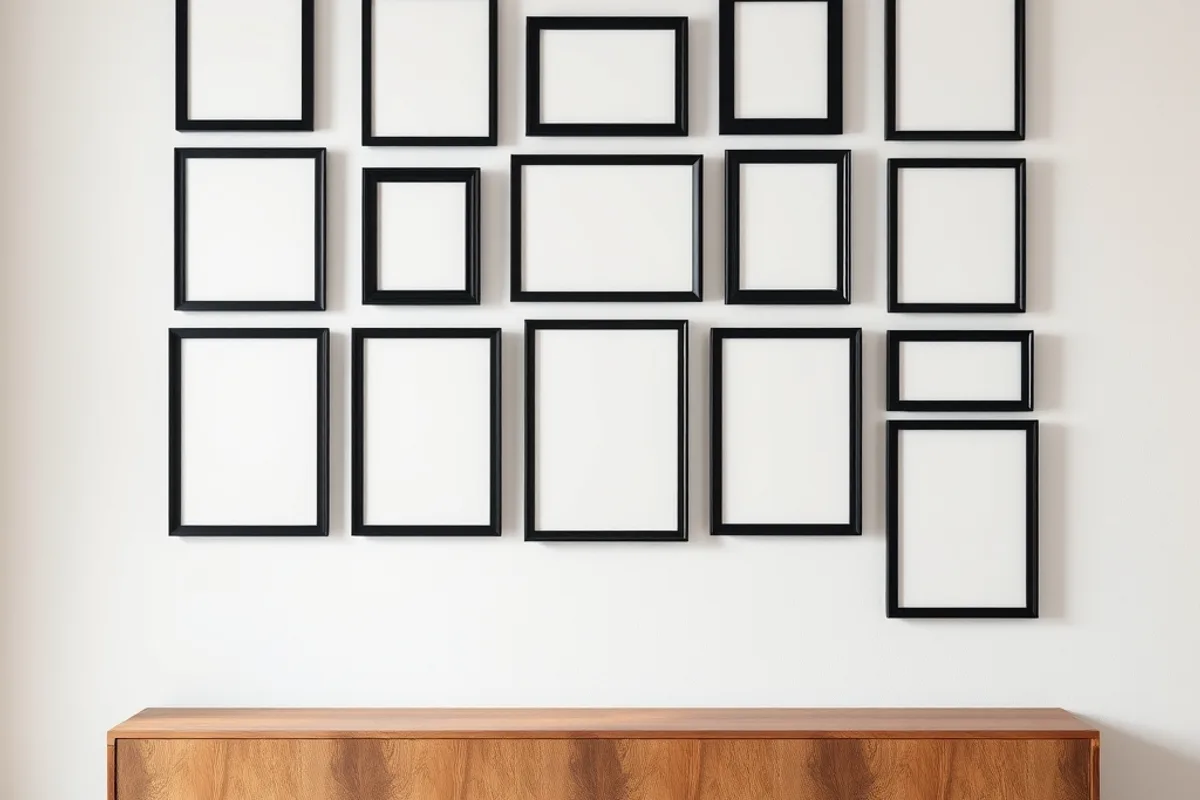
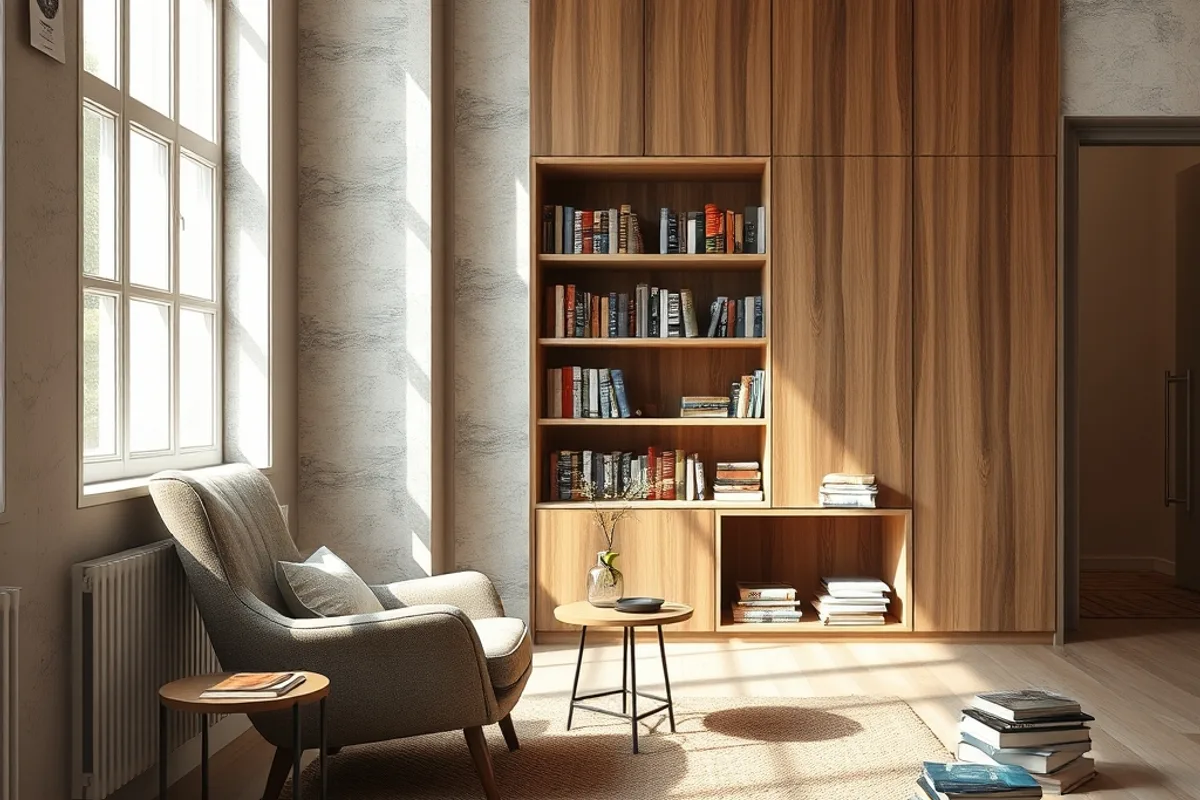
Leave empty space. A shelf that is 70 percent full reads as curated; a shelf that is 100 percent full reads as storage. The same applies to walls and surfaces. Negative space is part of the composition.
Colour and restraint
A layered room usually has a narrow palette: a base neutral, a secondary tone and one accent. The layers come from texture and value rather than from new colours. This is why a room in cream, oatmeal and brown can feel rich, while a room in six bright colours can feel exhausting.
If you want to introduce a new colour, do it in a material that can be changed easily: a cushion, a throw, a lamp base, a small piece of art. Avoid committing a bold colour to a large upholstered piece unless you are confident it will last.
Consider the view from the doorway. The first impression should be calm and coherent, with one point of interest. If the eye jumps between five objects, the room needs editing.
The edit
After you have layered a room, walk around it with a basket and remove one object from every surface. Live with the room for a week. If you do not miss the object, it was clutter. If you do, put it back. This simple exercise is more effective than any rule about how many items a shelf should hold.
Layered decoration is a practice, not a purchase. It develops as you live in a room, notice what you use and what you ignore, and gradually refine the composition. The goal is a space that feels generous, textured and calm, with enough visual interest to reward a second look and enough restraint to let you relax.
A room that feels finished
When a room is properly layered, you notice the light, the texture underfoot and the comfort of the seat before you notice any individual object. That is the sign of a successful scheme. The decoration is doing its job quietly, and there is nothing left to add.