The phrase whole-house renovation sounds decisive. In practice it usually means a family living in two rooms, a builder waiting on a structural engineer, and a budget that was set before anyone opened a wall. The projects that go badly are rarely the ones with the most work. They are the ones where every decision had to be made at once, under pressure, with no fallback.
Phasing is not a compromise for people who cannot afford the full job. It is the professional way to run one. A good phase plan protects cash flow, keeps part of the house usable, and lets you learn from earlier work before committing to later work.
The short version
- Separate structural work from cosmetic work. Structure comes first and sets the sequence for everything else.
- Phase by zone, not by trade. A finished kitchen with unfinished floors is still a kitchen you cannot use.
- Keep one bathroom and one cooking space operational for as long as possible.
- Decide the irreversible items early: walls, services, window openings and floor levels.
- Leave a contingency of 15 to 20 percent, and treat it as untouchable until the structural phase is complete.
Start with the things you cannot change later
Every renovation contains decisions that are cheap to make on paper and expensive to change in reality. Moving a soil pipe, removing a load-bearing wall, changing a staircase, raising a ceiling or re-routing electrical services all belong in this group. They should be resolved before any cosmetic work begins, because later changes reopen finished surfaces and double the cost of both phases.
This is why the first phase is almost always investigative. Open a few walls, lift a few floorboards, get a structural engineer on site and confirm what the drawings assume. Old houses are full of surprises: a chimney breast that is carrying more than expected, a beam that was cut by a previous owner, wiring that predates every regulation now in force.
The investigation phase feels slow and produces nothing you can photograph. It is also the cheapest part of the project per square metre, and the one that prevents the most expensive mistakes.
Phase by zone, not by trade
A common mistake is to schedule all plumbing, then all electrical, then all plastering across the whole house. On paper this looks efficient. In practice it means the house is unusable everywhere at once, and every trade is waiting on the one before it.
A zone-based plan finishes a complete area before moving on. The upstairs bathroom and two bedrooms might be phase one, the kitchen and living area phase two, the exterior and garden phase three. Each phase includes its own first fix, second fix, decoration and cleanup. You get a finished room to live in, and the next phase starts from a stable base.
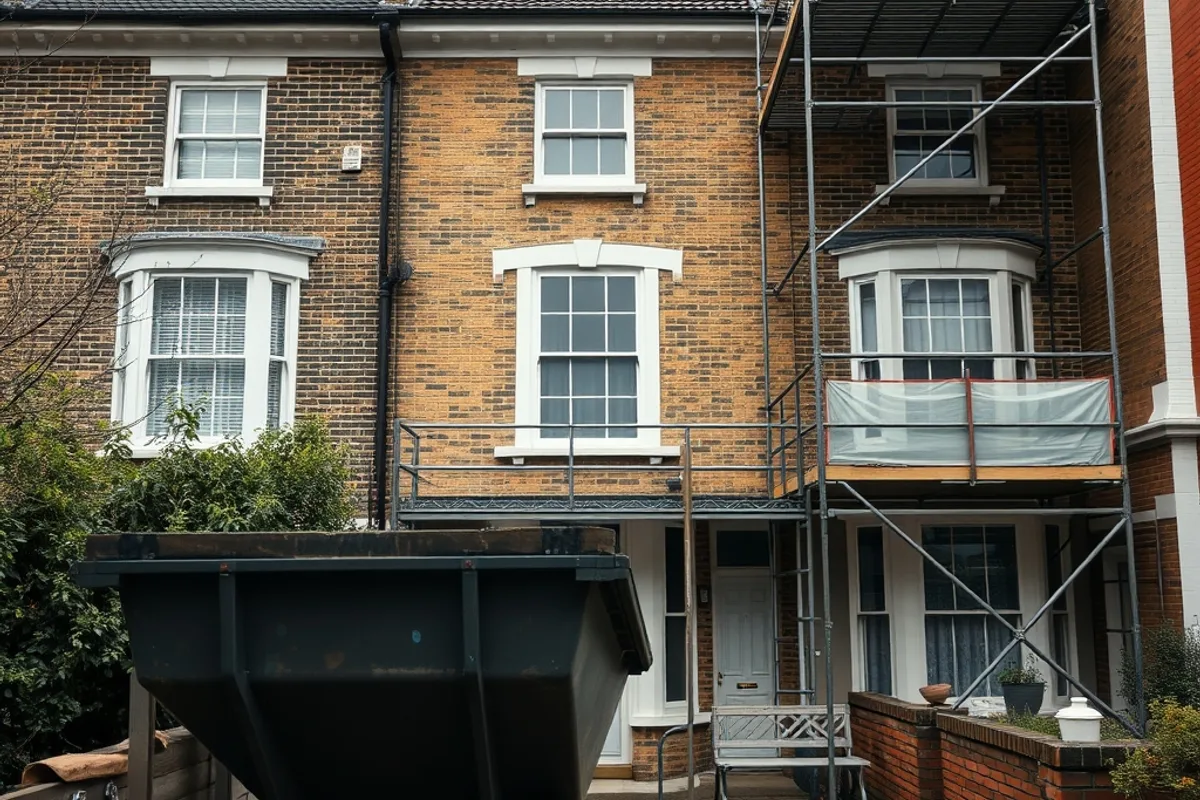
The trade-off is that some work is repeated: scaffolding may go up twice, and a plumber may visit three times instead of once. Price that repetition honestly. For most homeowners, the ability to remain in the house and to spread payments is worth more than the small saving from a single continuous site.
Protect one bathroom and one kitchen
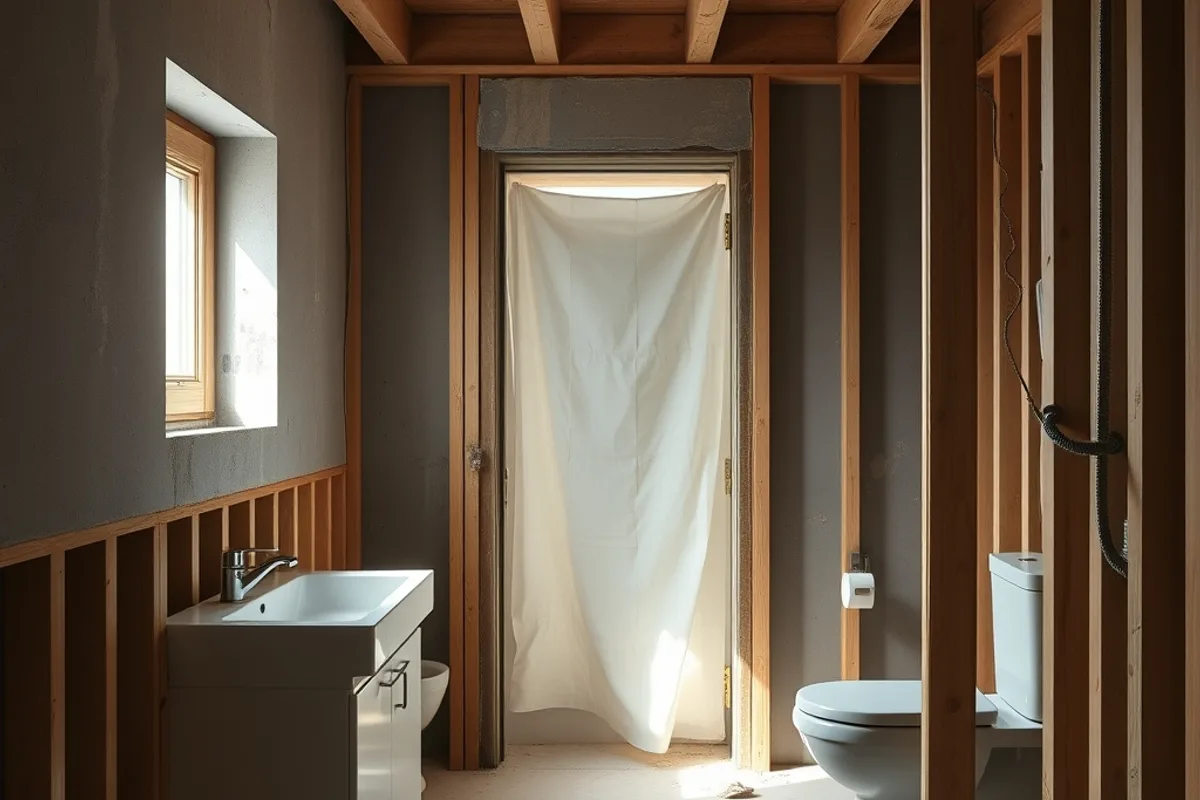
If the house has two bathrooms, renovate one while using the other. If it has one, consider a temporary kitchen in a utility room or a bathroom upgrade that can be completed in stages. Losing both cooking and washing facilities at the same time is the point at which renovations become genuinely miserable.
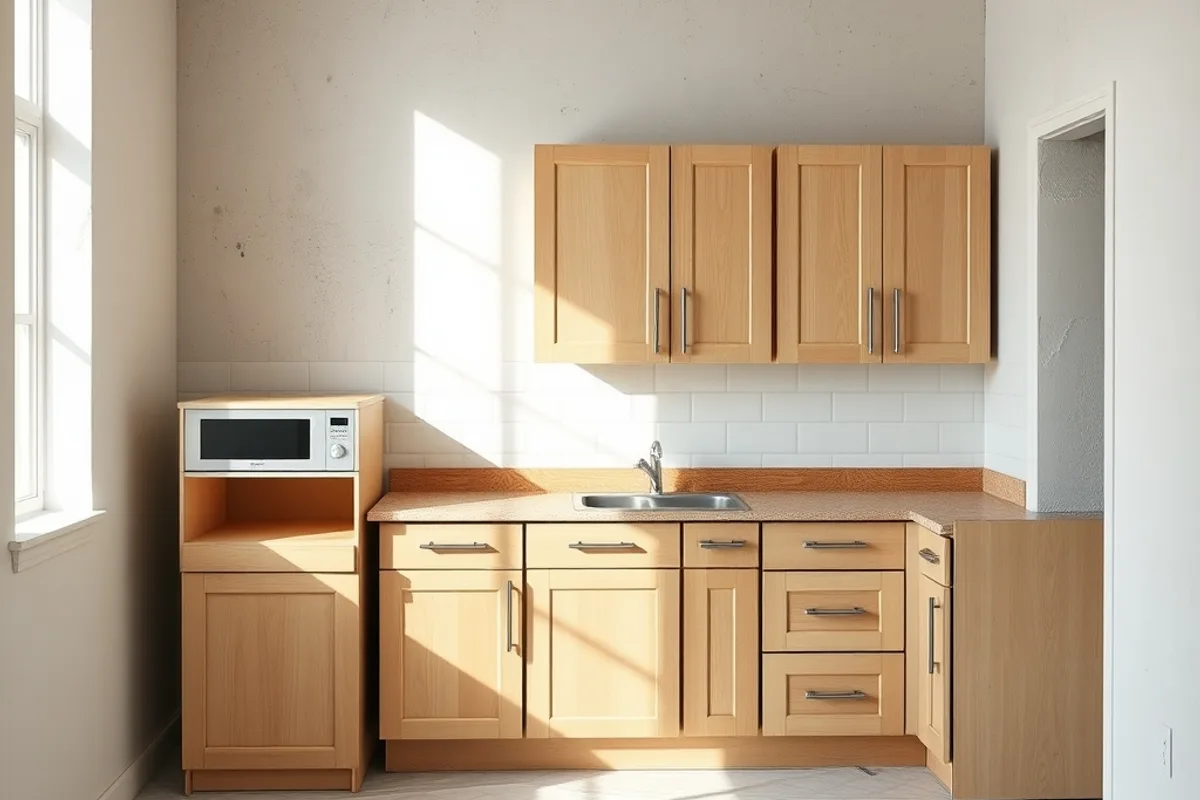
A temporary kitchen does not need to be elegant. A microwave, a kettle, a small fridge, a sink fed by a temporary connection and a folding table will carry a family through six weeks. Set it up before demolition, not after. The same applies to a temporary bathroom: a shower cubicle and a working toilet in a downstairs room can be worth more than any finish upgrade.
Sequence the structural phase properly
Structural work follows a predictable order: temporary support, removal, new structure, inspection, making good. Each step has a hold point where work should stop until an engineer or building inspector has signed off. Skipping a hold point to save a day is how walls end up carrying loads they were never designed for.
Once the structure is complete, the services go in: drainage, water, heating, electrical and ventilation. Photograph every wall and ceiling before it is closed up. A labelled set of photos showing pipe runs and cable routes will save hours the first time someone drills into a wall.
Only after services are tested and signed off should insulation, plasterboard, plaster and joinery begin. This is also the moment to confirm floor levels. A new floor build-up changes the height of every doorway and the position of every stair tread, and it is much easier to resolve before the kitchen is ordered.
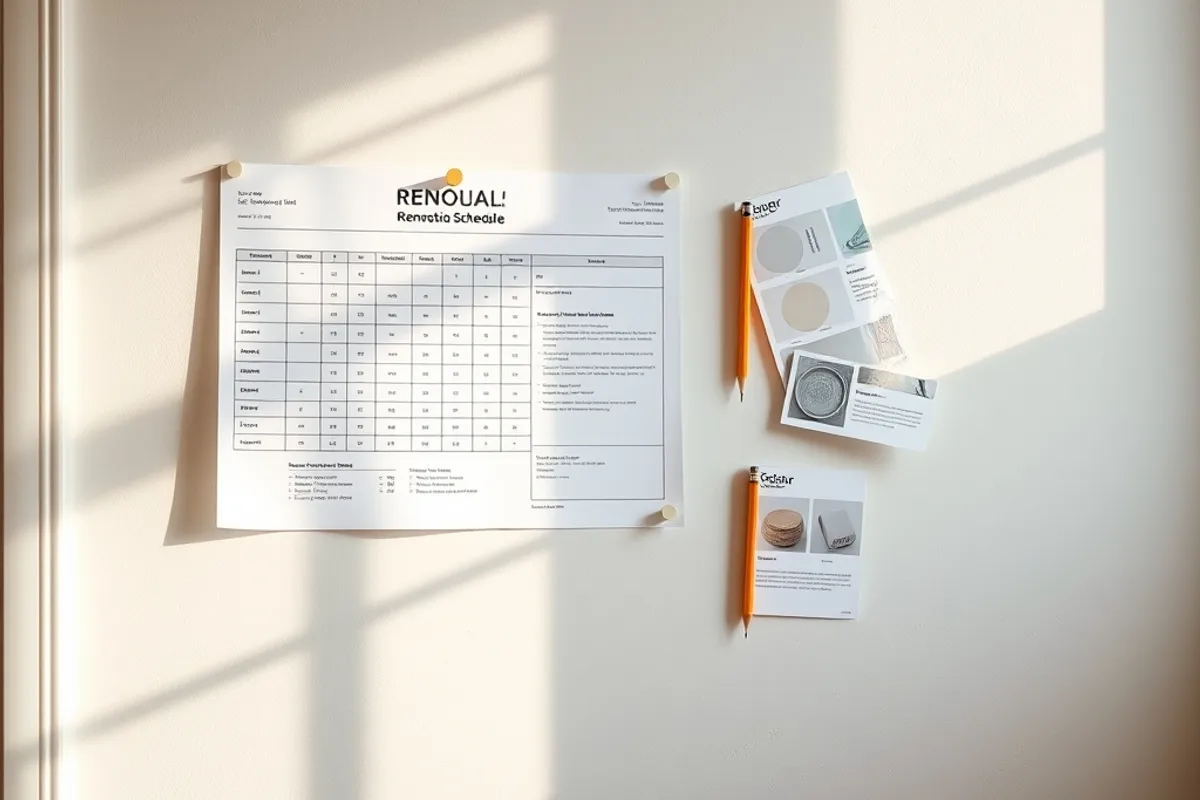
A renovation schedule is not a wish list. It is a contract between the work you want, the money you have and the life you need to live while the work happens.
Budget in phases, with a shared contingency
Price each phase separately, including professional fees, permits, temporary accommodation if needed, and the cost of making good. Add a contingency to the whole project rather than to each phase, and hold it centrally. If phase one runs over, you want to know immediately rather than discovering it when phase three is already committed.
A useful rule is to allocate 60 percent of the total budget to structure and services, 25 percent to finishes and 15 percent to contingency. In older houses, the first figure often rises. That is not a failure of planning; it is the normal cost of making a building safe and serviceable before it can be beautiful.
Decide finishes late, but decide standards early
It is sensible to delay tile and paint choices until the rooms exist and the light can be seen. It is not sensible to delay the standard of finish. Decide early whether you are specifying builder-grade materials, mid-range trade products or bespoke joinery, because that decision determines the labour cost and the schedule.
A helpful technique is to write a one-page specification for each room: floor, walls, ceiling, joinery, lighting, heating and hardware. Keep it to a consistent level of quality. Renovations feel incoherent when one room is luxurious and the next is unfinished, even if both were expensive.
Know when to stop
Whole-house renovations expand to fill the time and money available. There is always another wall to open, another service to upgrade, another original feature worth restoring. A phase plan gives you permission to stop at a sensible boundary and live in the result.
That boundary should be defined at the start: what does done look like for this phase? A working kitchen, a safe staircase, a weather-tight roof and a bedroom you can sleep in may be a perfectly legitimate endpoint. The next phase can wait a year. Houses are long projects, and the best ones are finished by people who resisted the urge to do everything at once.

What a good phase plan looks like
In practice, a workable plan for a three-bedroom house might run like this. Phase zero is investigation and design, with structural surveys, measured drawings and a permit application. Phase one is the roof, exterior envelope and structural alterations, because water and structure affect everything downstream. Phase two is services and the upstairs bathroom and bedrooms. Phase three is the kitchen, living space and flooring. Phase four is decoration, joinery and the garden.
Each phase has its own budget, its own completion criteria and its own list of decisions that must be made before it starts. The plan is reviewed at the end of every phase, not treated as scripture. That is the difference between a renovation that drains a household and one that gradually turns a building into a home.

The habit that matters most
Keep one document with every decision, date, price and approval. Update it weekly. When a builder asks what you decided about the shower valve six weeks ago, the answer should take ten seconds, not an evening of searching messages. Renovation stress is largely the stress of holding too many unresolved details in your head. Write them down, phase them, and the project becomes a series of manageable jobs rather than one enormous gamble.